How to Identify Real Amber: 7 At-Home Tests for Collectors
Pick up a genuine piece of amber and it feels almost too light for a stone — warm to the touch, dull rather than glassy. Those small physical qualities are exactly what forgers spend their time copying. Copal, phenolic resin, celluloid and plain glass have all been sold as amber for decades, and some of the imitations look convincing in a photograph.
The good news is that you can separate most of them at home with things you already own: salt, a UV torch, a wool scarf, a needle and a bottle of nail varnish remover. No single test is conclusive, but the seven below, used together, will give you a clear picture of what you are holding.
1. Start With a Loupe, Not a Flame
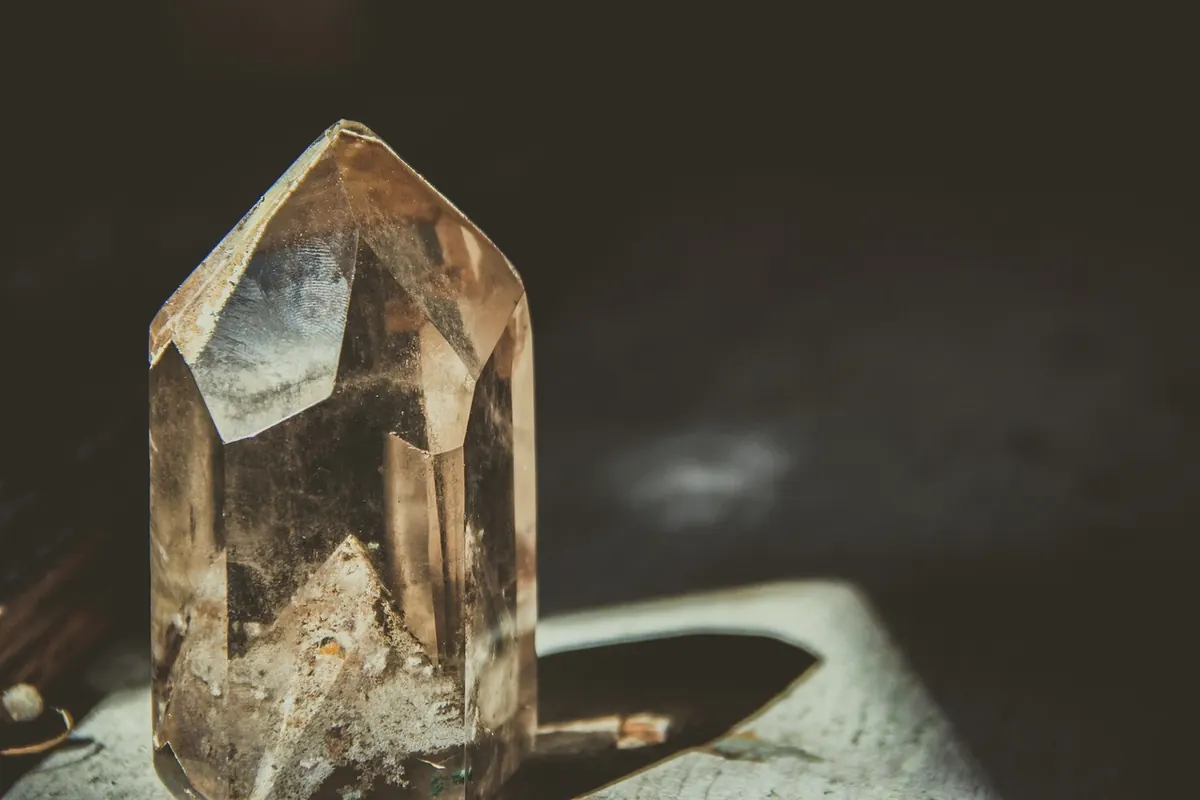
Before you touch anything hot or wet, look. A 10x loupe and a strong light will tell you a great deal. Hold the piece against the light and examine the interior.
Genuine amber contains bubbles that look natural — usually small, scattered and slightly irregular. Plastic imitations tend to show perfectly round, evenly sized bubbles, or fine swirl lines left by injection moulding. Heat-treated Baltic amber often shows flat, disc-like internal fractures known as sun spangles; these are a good sign, because they are difficult to fake convincingly.
Check the surface too. Amber is soft, and older pieces show a fine web of crazing, tiny scratches and a mellow patina. A fake is often uniformly glassy and slick. Inclusions deserve a second look: real insect inclusions are usually small, often buried in cloudy patches of resin, with a little disturbance around them. A large, perfectly posed creature in crystal-clear resin is worth treating with suspicion.
One more visual clue is flow lines. Real resin often has gentle, wavy flow lines that follow the shape of the piece. Injection-moulded plastic may show sharp, parallel seams or a tiny mould mark. Under a loupe, natural amber looks a little chaotic; plastic looks engineered.
2. The Salt Water Float Test
Amber is only slightly denser than fresh water, so it sinks in a glass of tap water. Saturated salt water is denser still, which makes amber float. That difference is the basis of the oldest trick in the book.
- Fill a clear glass or bowl with warm water.
- Stir in table salt a spoonful at a time until it stops dissolving and a little sits on the bottom.
- Lower the piece in gently — don’t drop it — and wait a few seconds.
- Watch what it does. Amber rises and bobs, often with part of it above the waterline. Glass, stone and most phenolic plastics sink.
Two caveats matter here. Copal, the younger resin often sold as amber, is less dense than amber and may also float, especially when it is fresh and porous. Some modern plastics, such as expanded polystyrene, can float too. So a float is a useful clue, not a verdict.
Also, a piece with a heavy metal setting or a large inclusion may sink even if the amber itself is real. Test loose beads or remove what you can before drawing conclusions.
3. The Static Electricity Test
Rub the piece briskly on wool, silk or a scarf for 20 to 30 seconds. Then hold it near tiny torn pieces of paper, dry tea leaves or a few strands of hair. Real amber often attracts them. This is the same electrostatic property that made amber famous in ancient Greece; the word electron comes from the Greek name for amber.
Limitations matter. Some plastics, especially celluloid, can charge up too. Dry air helps the effect, while humid weather can ruin it. If the test fails, don’t panic — just move on. If it works well, it is one more point in amber’s favour.
4. The UV Light Test
Use a longwave UV torch, ideally around 365 nm. Take the piece into a dark room and shine the light on it. Real amber usually glows with a blue, white, yellow or greenish fluorescence. Baltic amber often shows a milky blue-green; Dominican blue amber can glow a vivid blue.
Copal may fluoresce, but often more weakly or with a dull, milky haze. Phenolic resin and many modern plastics show little or no fluorescence, though some glow bright purple or violet because of dyes. A coating or varnish can also mask a real amber’s glow. Test an uncoated edge if you can.
5. The Hot Needle Test
This is the most invasive test, so save it for last and use an inconspicuous spot — inside a bead hole, on the back of a cabochon, or on a broken edge. Heat a needle in a flame until it is hot but not glowing, then touch it briefly to the hidden area.
Real amber melts and gives off a resinous, pine-like smell. Copal smells similar but often sharper, fresher, almost lemony. Celluloid smells of camphor and may flare. Phenolic resin smells chemical, carbolic or like burnt plastic. Glass and stone do nothing at all.
Safety first: work in a ventilated room, keep water nearby, and never hold the piece while you heat the needle. A single touch is enough.
6. The Acetone Test
Nail varnish remover is mostly acetone, and it separates amber from several common fakes. Dab a cotton swab in acetone and rub a hidden spot for 20 to 30 seconds.
Real amber is largely resistant. It may lose a little polish or look slightly dull, but it will not become sticky. Copal turns tacky almost immediately. Celluloid softens and dissolves. Many cheap plastics become cloudy or smear.
Because acetone can damage amber if left on too long, keep the contact short and wipe the area with a clean cloth afterward. If the piece is valuable, skip this test or use it only on a tiny area you can live with.
7. The Scratch Test
Amber is soft — about 2 to 2.5 on the Mohs scale. A fingernail may leave a faint mark on a hidden surface, and a copper coin will scratch it more easily. Glass, agate and most phenolic resins will not scratch so readily. Copal is even softer and scars more readily.
Use the least visible spot you can find, and scratch gently. Real amber tends to shave into a small powder or flake. Many plastics peel, curl or leave a shiny groove. Again,
Photo: ha11ok / Pixabay